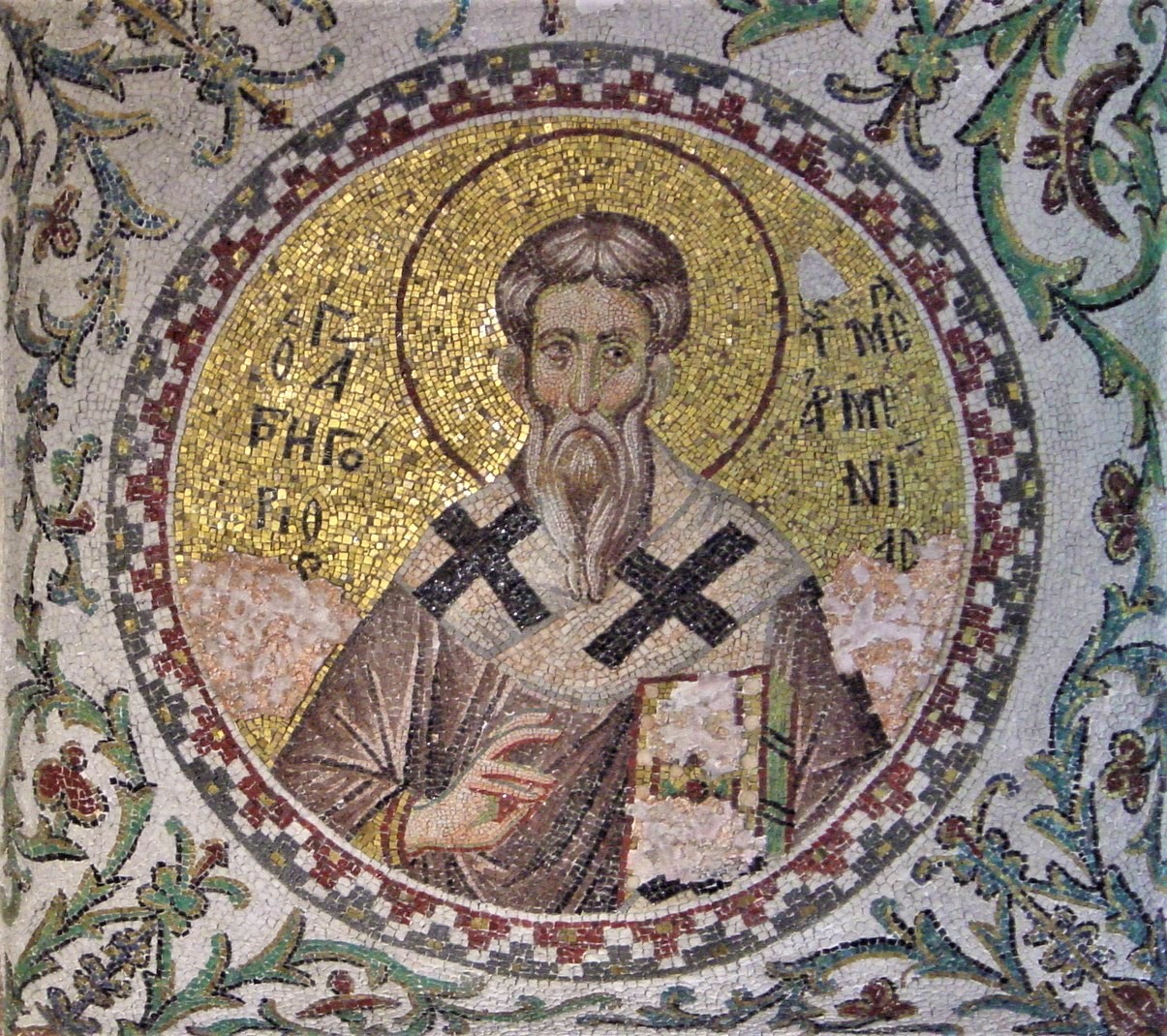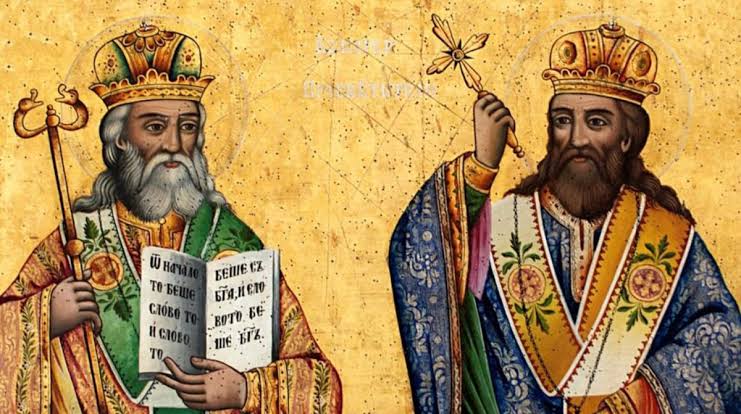
Armenia occupies a unique place in Christian history. According to Armenian tradition, King Tiridates III was converted through the ministry of Gregory the Illuminator at the beginning of the fourth…
Marriage belongs to this present age; salvation leads the soul to the kingdom of God. This distinction explains the Marcionite Christian understanding of marriage, continence, procreation, and Christian family formation.…
For centuries, Marcion’s Catholic opponents condemned him as a heretic, destroyed his books, and attempted to erase his Church from history. Yet Marcion survived in an unexpected place: the Latin…
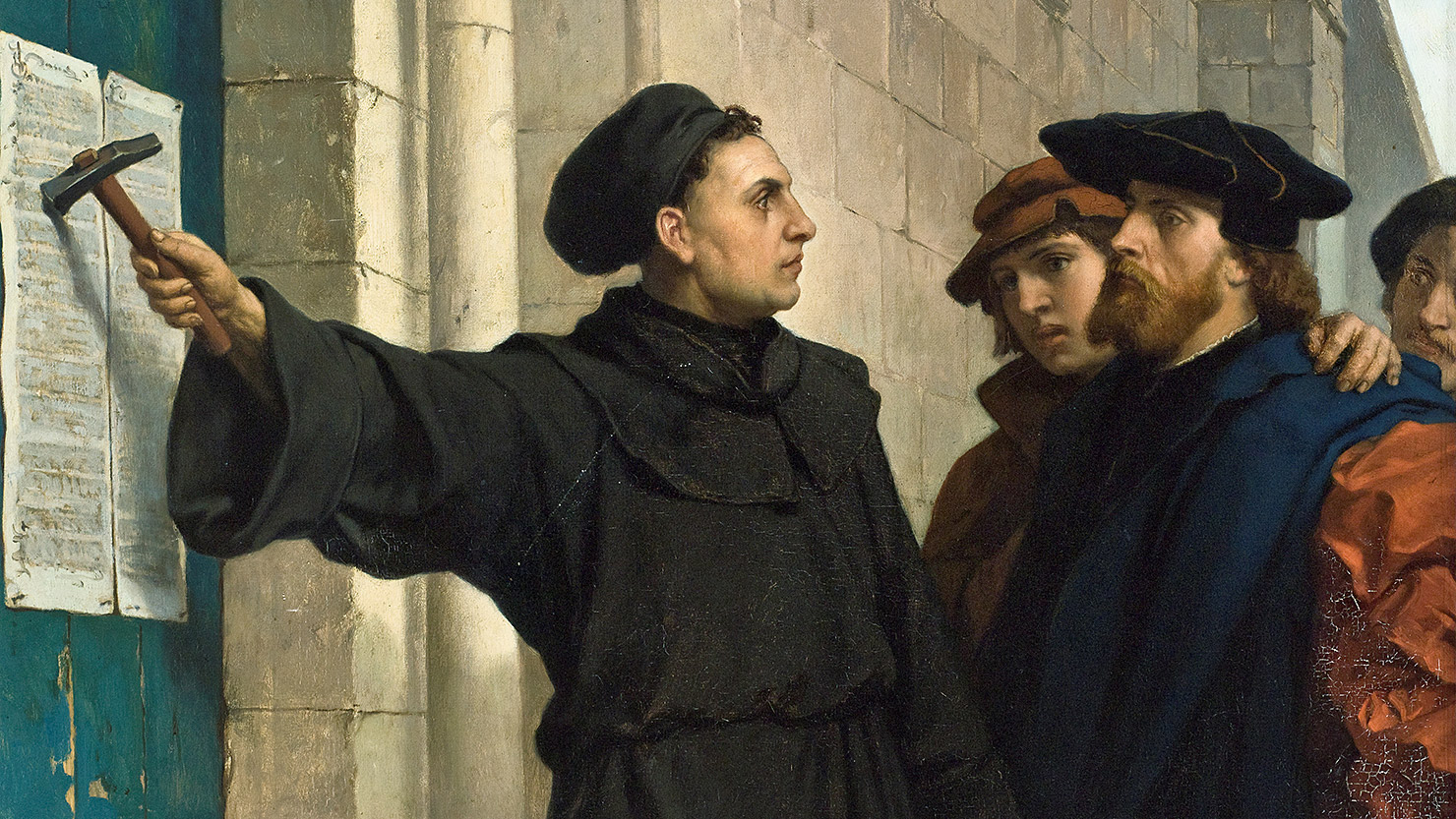
Nearly fourteen centuries before Martin Luther challenged the authority of medieval Rome, Marcion of Sinope had already confronted the deeper error from which Rome itself ultimately inherited its theology. Marcion…
The theology preserved in Marcion’s epistles is not a theology of legal bookkeeping, nor a doctrine in which God the Father must be reconciled to mankind by the punishment of…
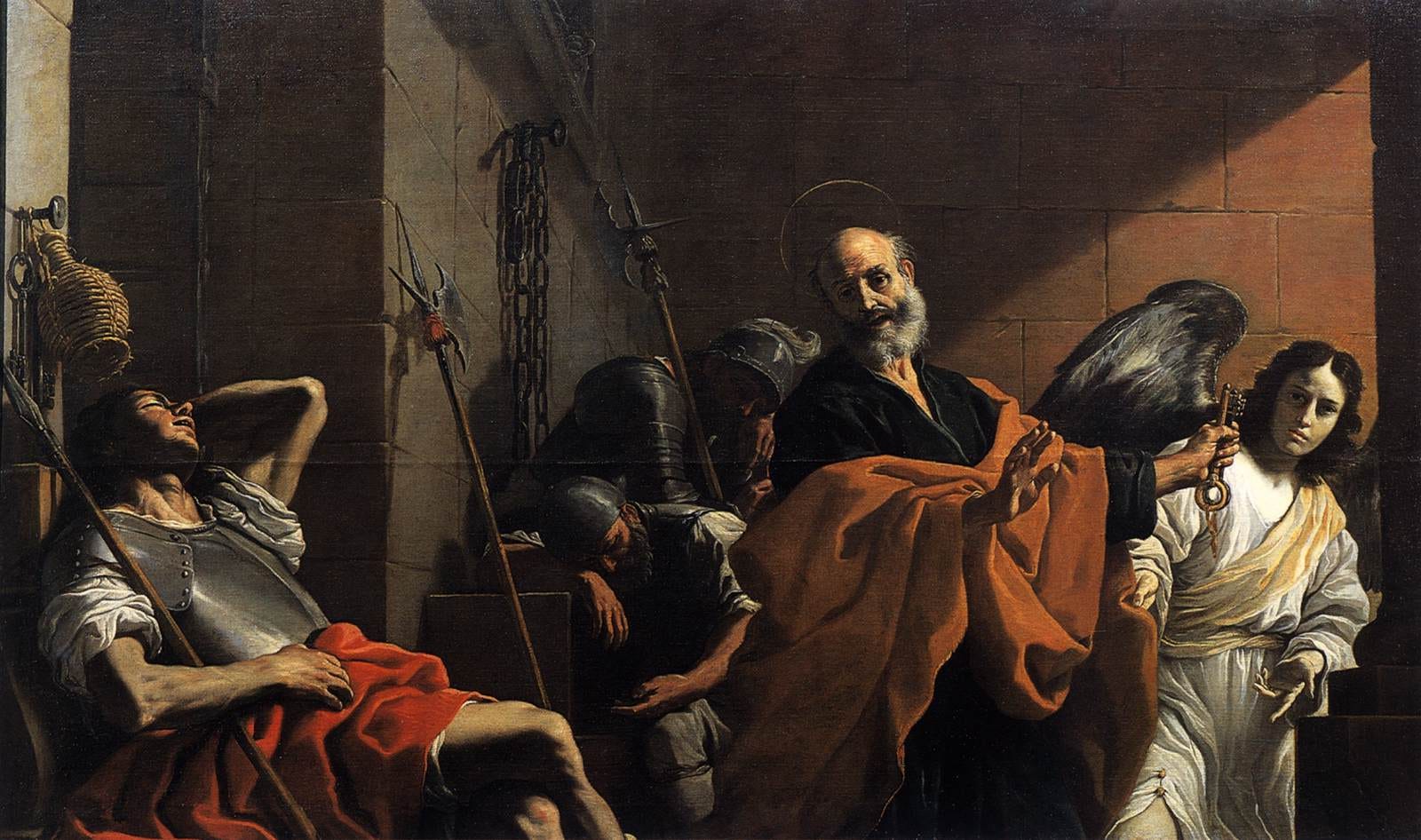
The Acts of Peter, here dated to 181 C.E., should not be read merely as a pious romance about Peter defeating Simon Magus in Rome. It is better understood as…
The Dialekticon is an ecclesiastical book of the Marcionite Church, consisting of Marcionite dialogues and disputations. Dialogue and disputation were ancient forms of Christian literature, used for instruction, controversy, catechesis,…
Papyrus 69 is sometimes presented as if it were a surviving manuscript witness to the Evangelicon. This claim is not established. The Marcionite Church does not accept Papyrus 69 as…
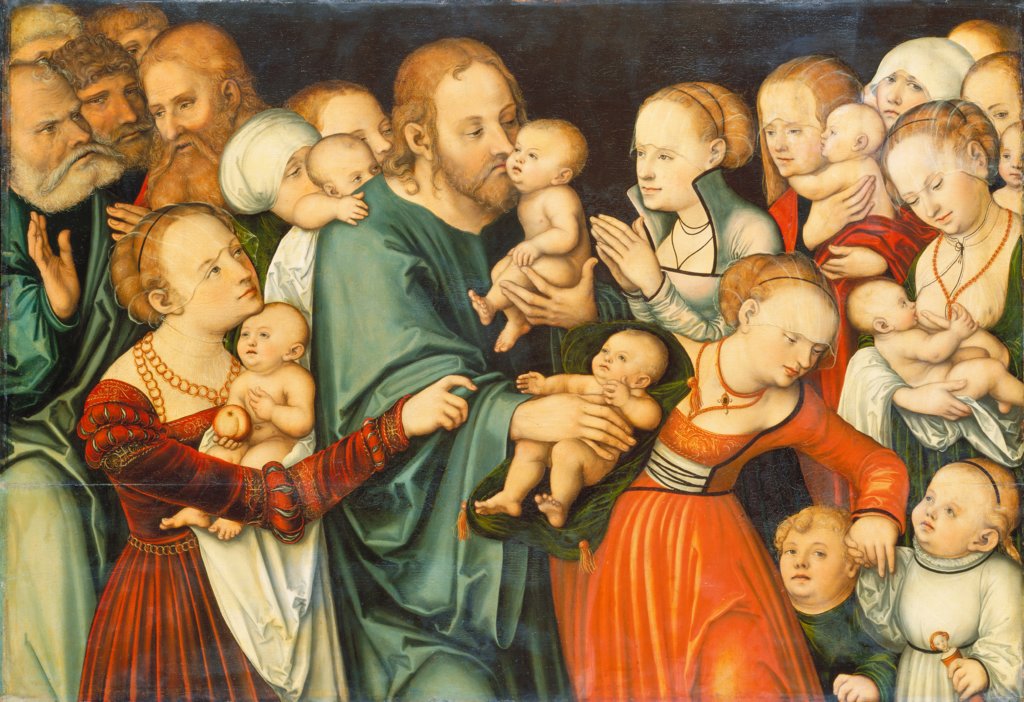
The Marcionite Church teaches plainly that babies, infants, and young children before moral discernment are not born guilty. They do not enter the world stained with Adamic guilt. They do…
The Marcionite Church is pleased to announce the release of the Didascalicon, the Church’s formal book of catechesis, doctrine, and ecclesiastical instruction. The word Didascalicon means a book of teaching.…