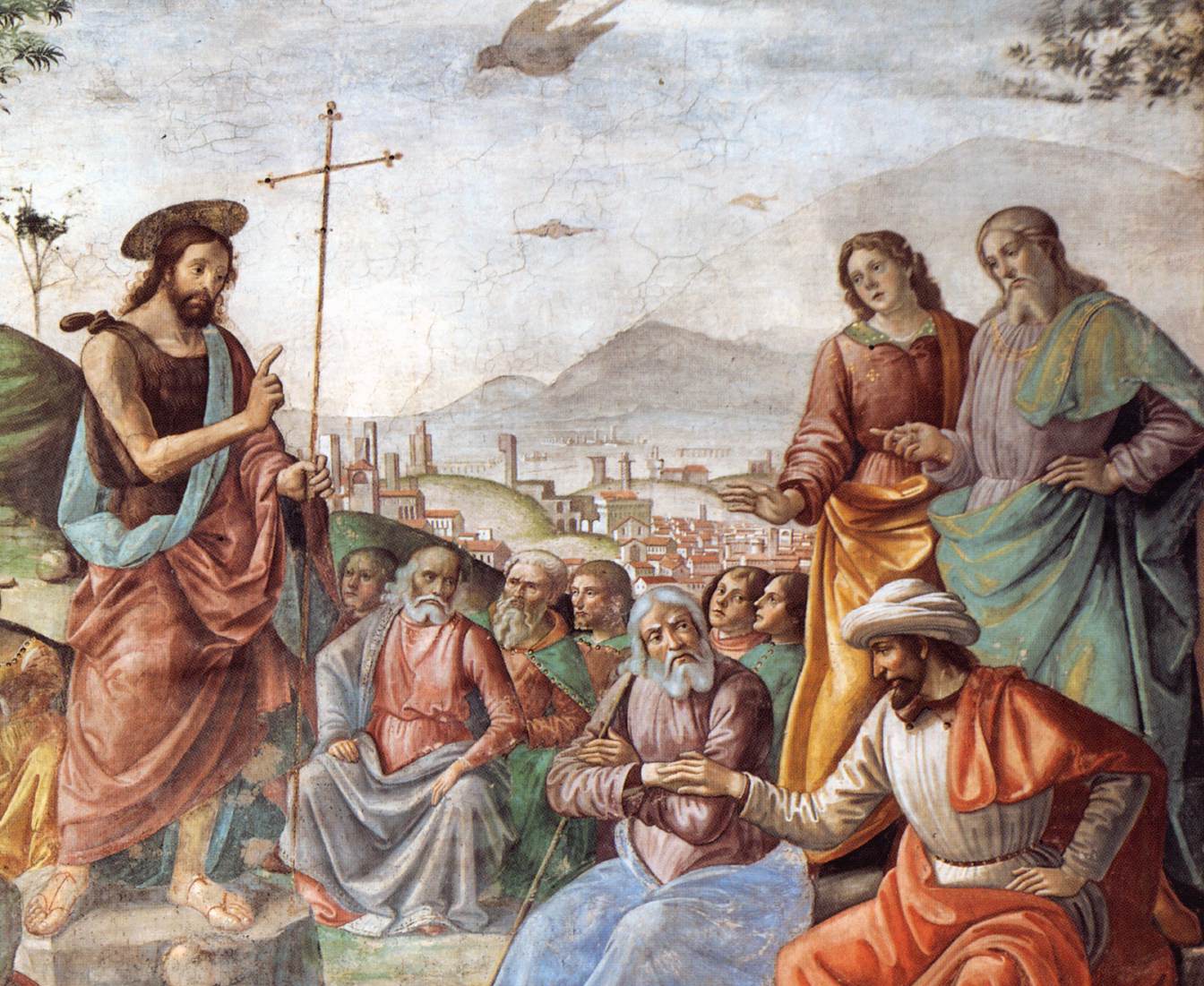
In the Evangelicon, John the Baptist appears as the divinely sent forerunner and prophet, the first true prophet of Christ’s testament, who prepares, bears witness, and then yields the stage…
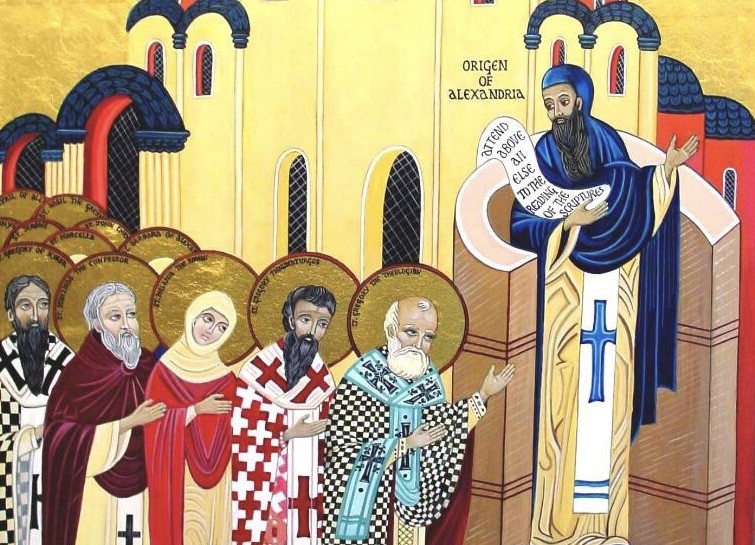
The Marcionite Church rejects the allegorical reading of the Hebrew Bible as a deceptive enterprise rooted not in revelation but in desperation. Allegory is the interpretive practice of assigning symbolic…
Tertullian and Epiphanius both report that the Lord’s Prayer they found in Marcion’s Evangelicon—located at Evangelicon 10: 2-4—was the very prayer their own congregations recited. Yet Tertullian, almost in passing,…
When the Roman governor Pliny the Younger wrote to Emperor Trajan around 112 AD, he unknowingly preserved one of the earliest and most evident testimonies of the true Christian Church—not…
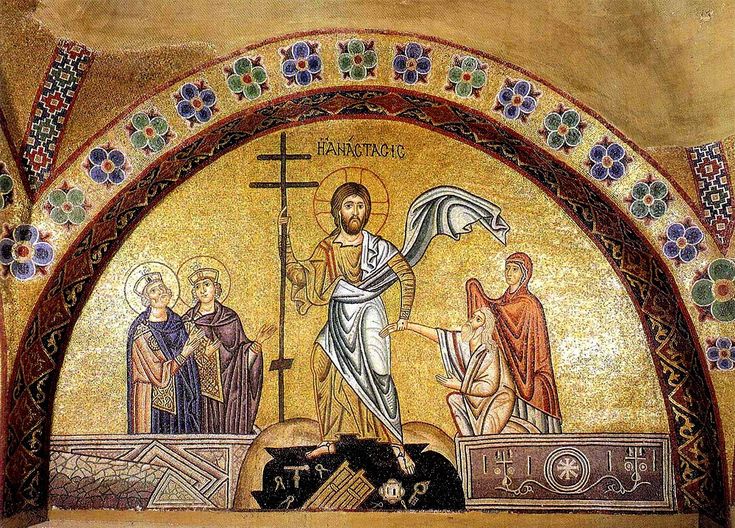
The resurrection of Jesus Christ was not only the defeat of death. It was the public overthrow of the principalities, powers, rulers, and devils that held mankind in bondage through…
In the eighth chapter of his First Epistle to the Corinthians, the Apostle Paul warns the Church against idolatry and against the pride that may disguise itself as spiritual knowledge.…
In the tenth chapter of his First Epistle to the Corinthians, the Apostle Paul—the true apostle of Jesus Christ—offers a profound meditation on suffering, temptation, and the development of the…
In the eleventh chapter of the First Epistle to the Corinthians, preserved in the Apostolicon of the Testamentum, the Apostle Paul addresses a grave disorder within the Corinthian assembly. The…
In the thirteenth chapter of the First Epistle to the Corinthians—preserved in the Apostolicon of the Testamentum—the Apostle Paul presents what may be the most profound and enduring insight in…
In the fourteenth chapter of the Apostle Paul's First Epistle to the Corinthians—preserved in the Apostolicon of the Testamentum—we are confronted with a powerful contrast that remains just as vital…