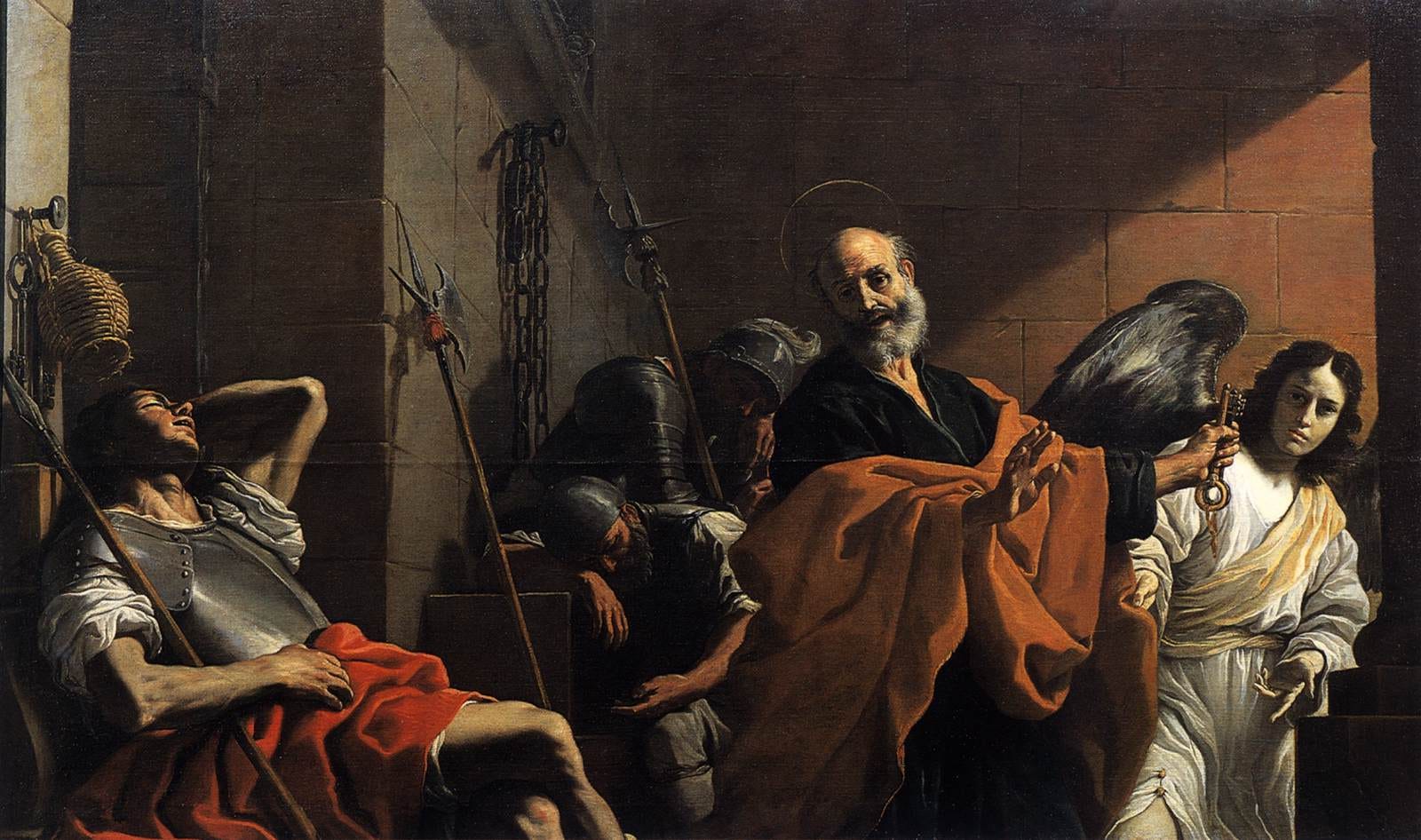
The Acts of Peter, here dated to 181 C.E., should not be read merely as a pious romance about Peter defeating Simon Magus in Rome. It is better understood as…
The Dialekticon is an ecclesiastical book of the Marcionite Church, consisting of Marcionite dialogues and disputations. Dialogue and disputation were ancient forms of Christian literature, used for instruction, controversy, catechesis,…
Papyrus 69 is sometimes presented as if it were a surviving manuscript witness to the Evangelicon. This claim is not established. The Marcionite Church does not accept Papyrus 69 as…
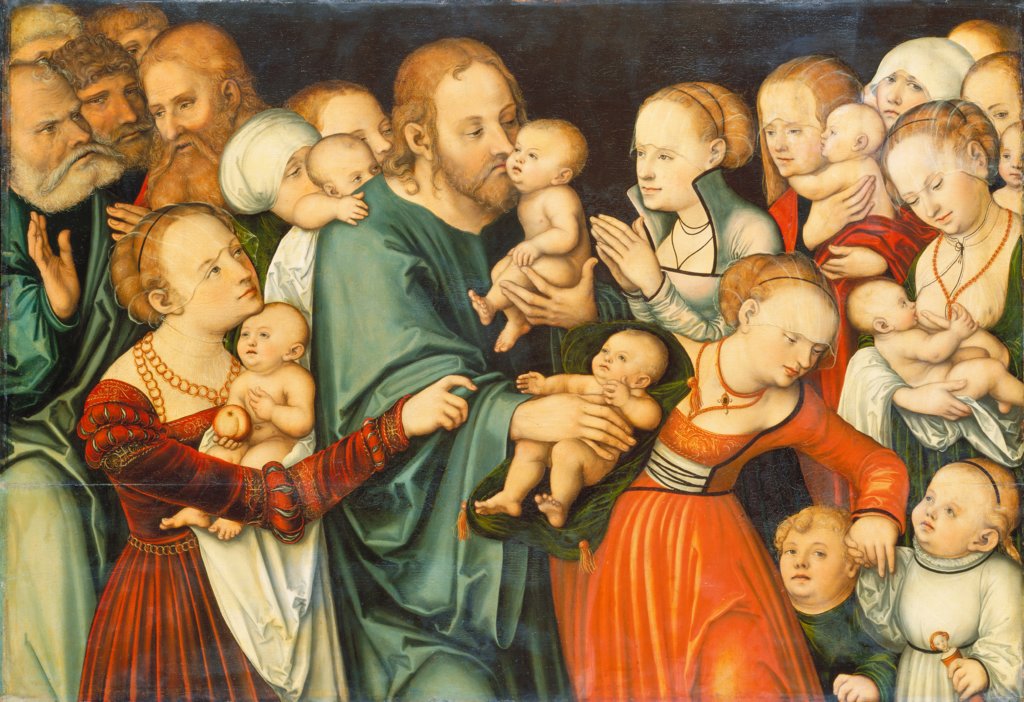
The Marcionite Church teaches plainly that babies, infants, and young children before moral discernment are not born guilty. They do not enter the world stained with Adamic guilt. They do…
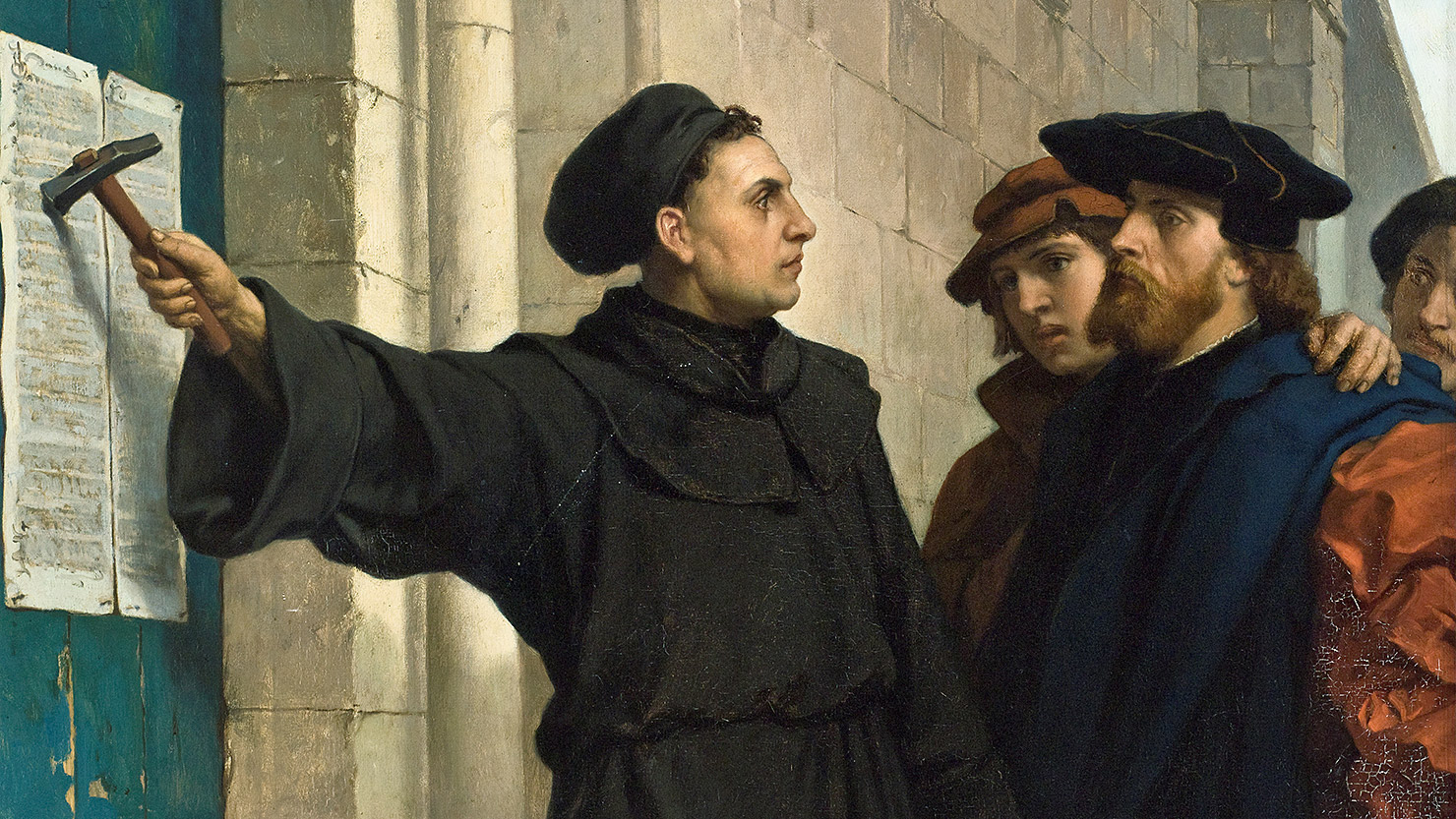
From the vantage point of the Marcionite Church, the moment when the Lord renames Simon as “Peter” is not a charter for Petrine supremacy or for the later claims of…
The Dialogue of Adamantius (De recta in deum fide) is a valid and often reliable witness for reconstructing the Evangelicon. Read with sober controls and in conversation with Tertullian, Epiphanius,…
The Marcionite Church affirms the authenticity of the relic known as the Shroud of Turin and identifies it with the ancient Image of Edessa (the Mandylion). We hold that in…
In the Evangelicon, John the Baptist appears as the divinely sent forerunner and prophet, the first true prophet of Christ’s testament, who prepares, bears witness, and then yields the stage…
The Marcionite Church rejects the allegorical reading of the Hebrew Bible as a deceptive enterprise rooted not in revelation but in desperation. Allegory is the interpretive practice of assigning symbolic…
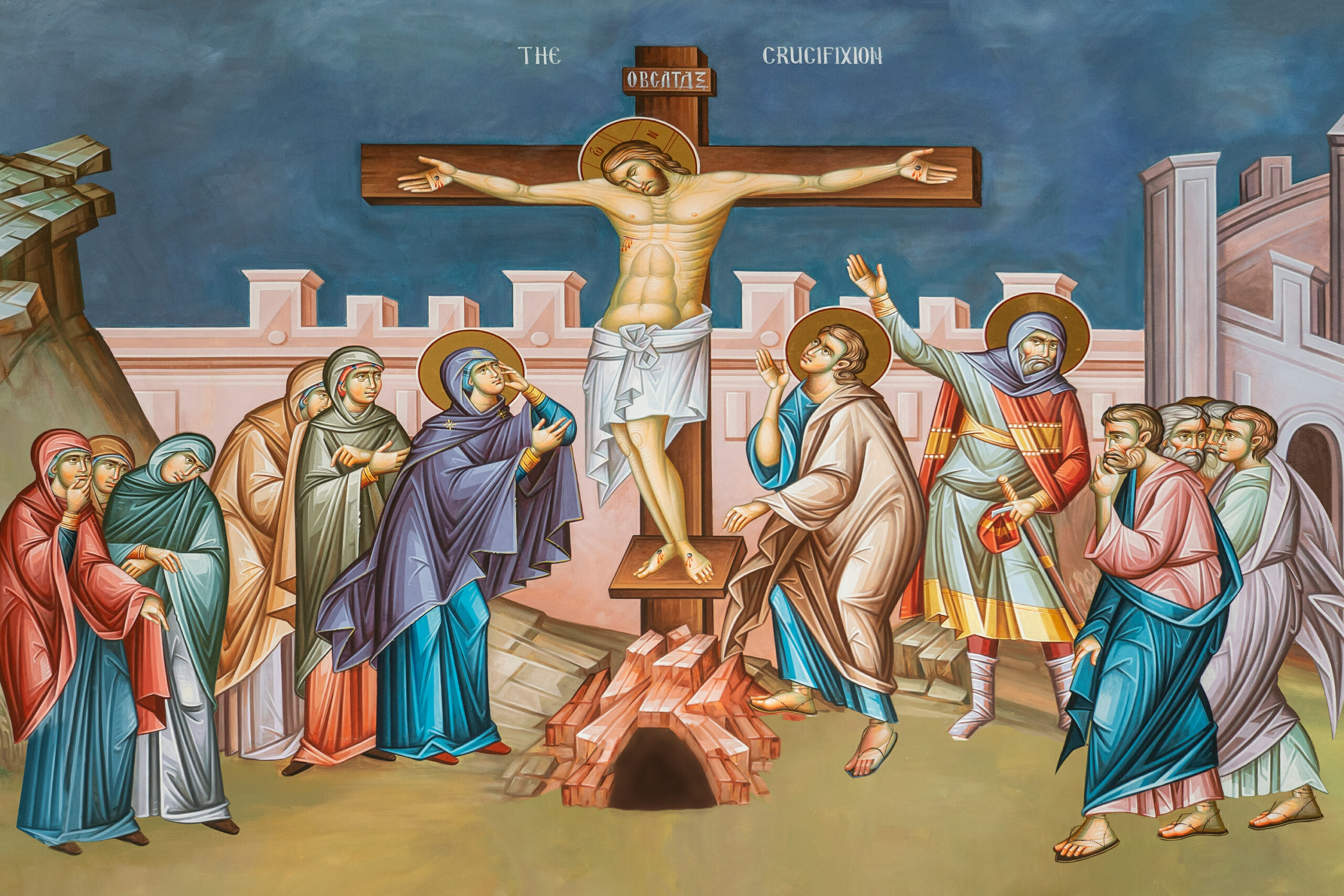
The resurrection of Jesus Christ was not only the defeat of death. It was the public overthrow of the principalities, powers, rulers, and devils that held mankind in bondage through…