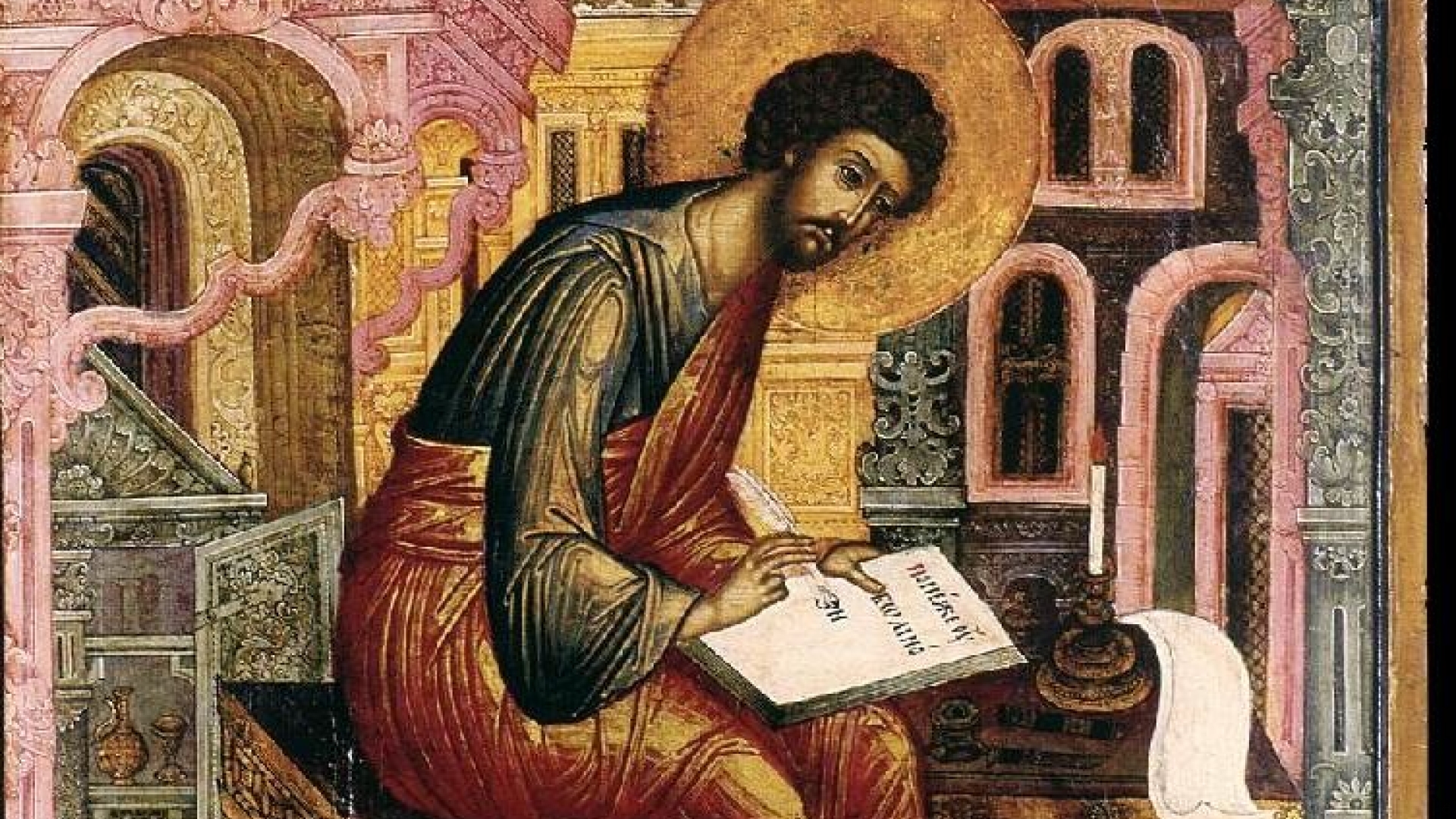
Modern scholarship has long operated under the assumption that Marcion’s Evangelicon was a shortened redaction of the Gospel of Luke. This assumption, rooted in the polemics of Marcion’s opponents rather…
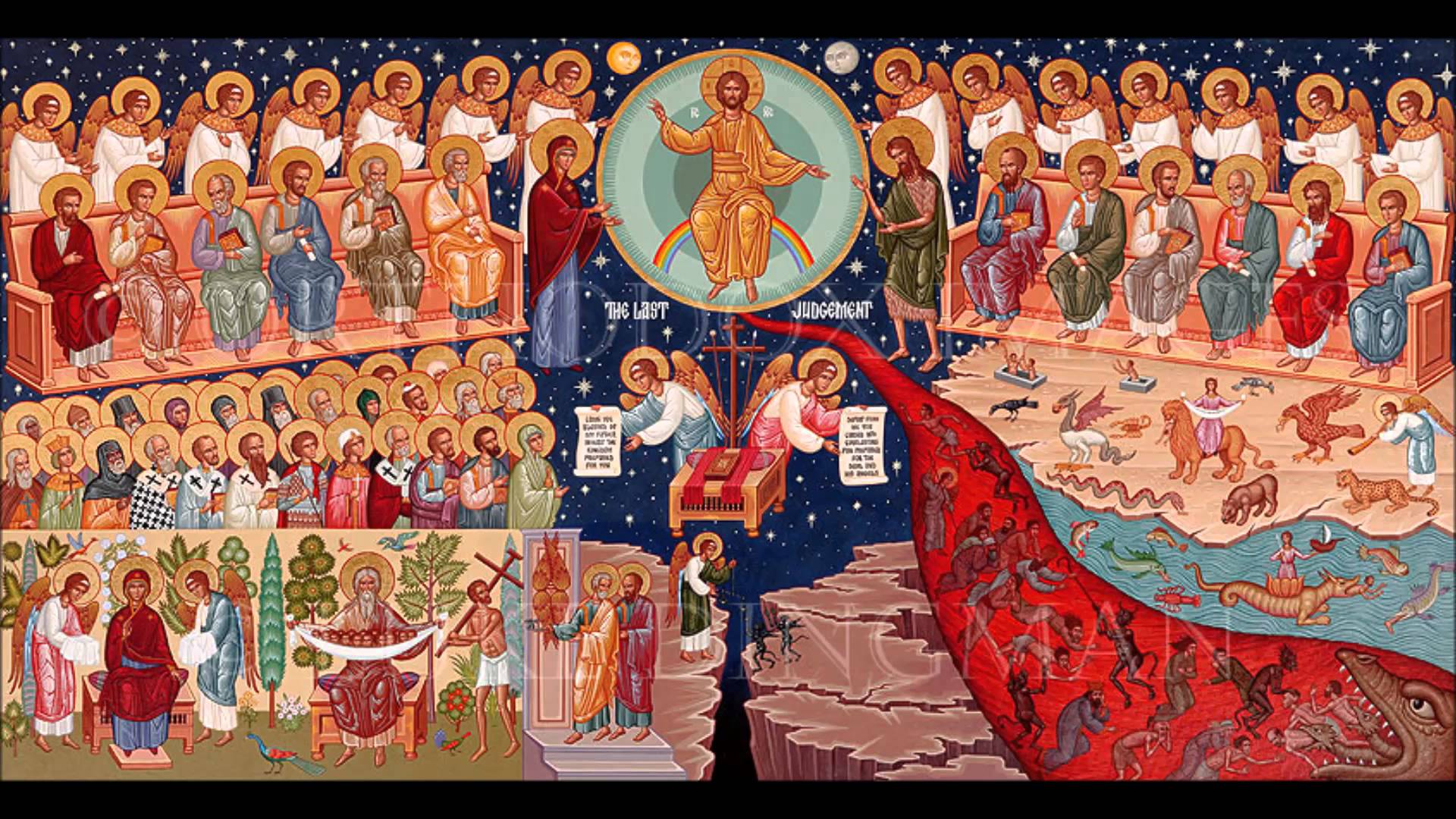
In the sacred tradition of the Marcionite Church, we affirm that the love, mercy, and justice of the Heavenly Father are not compatible with the eternal torment of souls. Rather,…
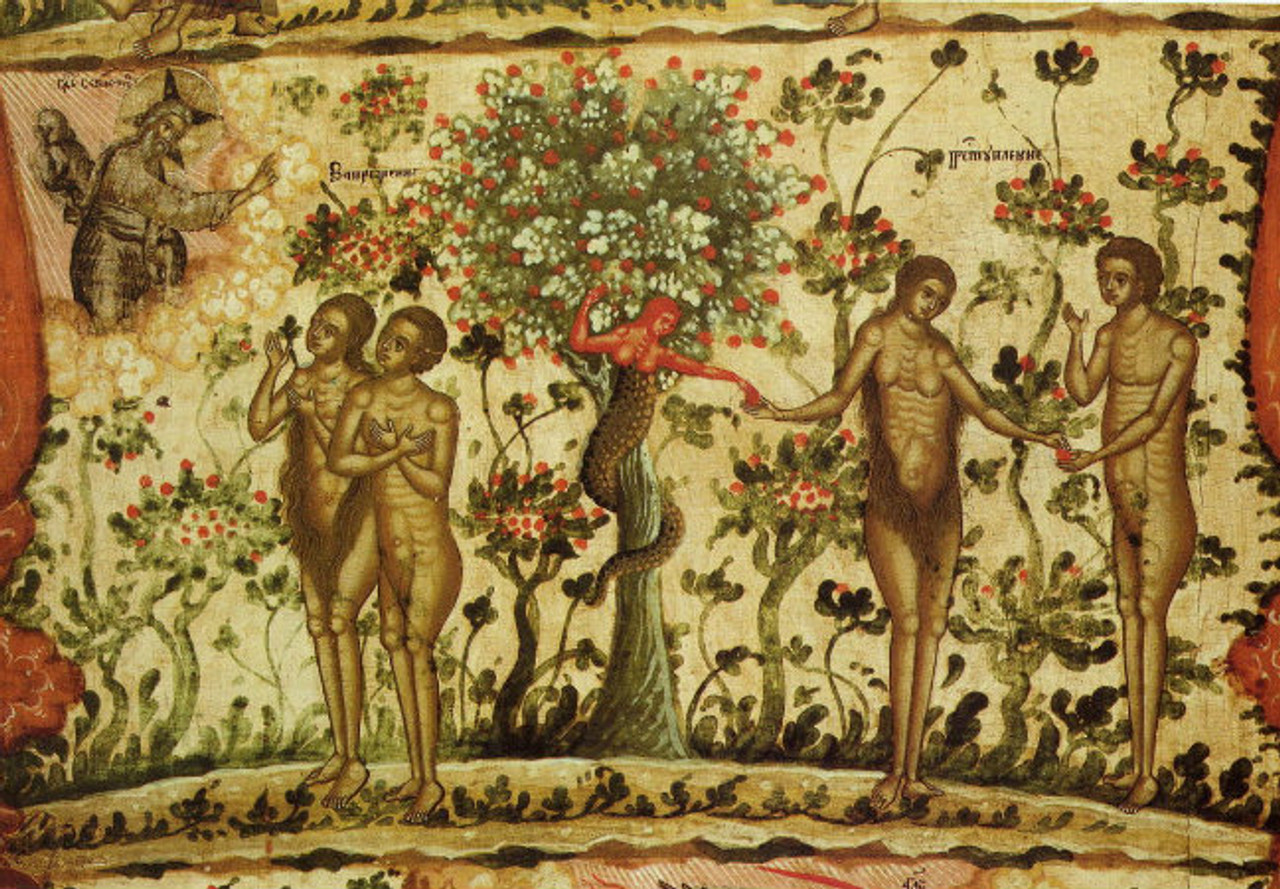
From the perspective of the Marcionite Church, the Genesis creation narratives contained within the Hebrew Bible stand not as divinely inspired truth, but as flawed, mythologized attempts to rationalize human…
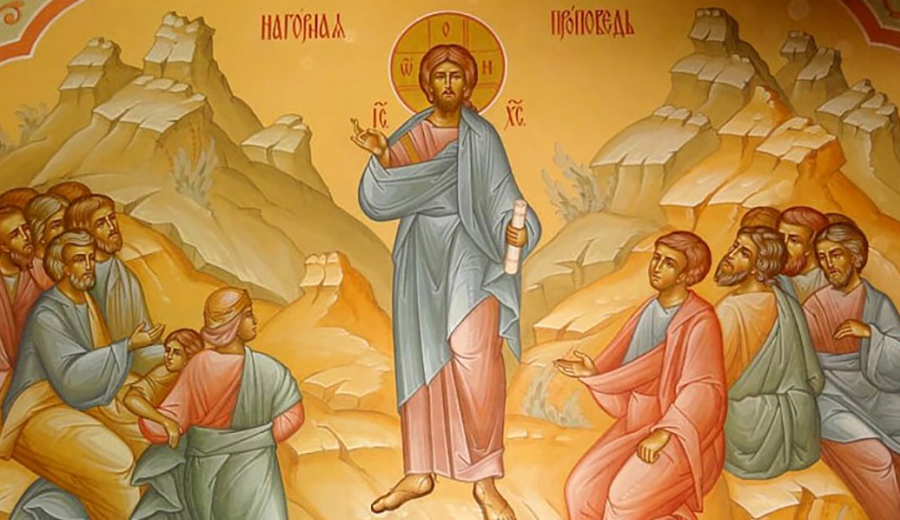
It is a common misunderstanding—both among Christians and their critics—that followers of the Lord Jesus are commanded to be passive, even in the face of evil. Some argue that Lord…
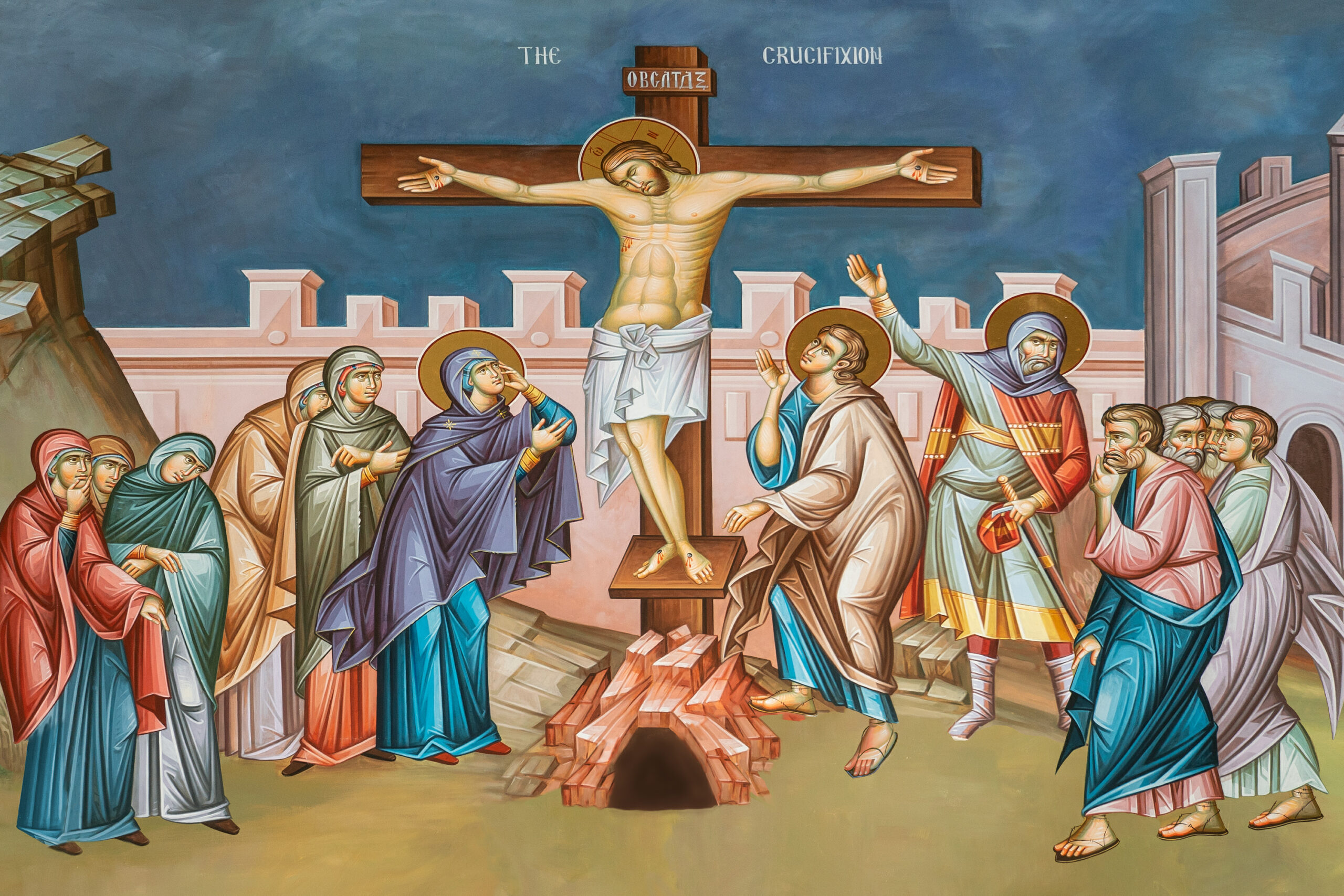
Kenosis is a Greek word meaning "emptiness," often used as a theological term. The ancient Greek word κένωσις (kénōsis) translates to "emptying," derived from κενός (kenós), meaning "empty." While the…
The opening verses of the Gospel of Luke (Luke 1:1-4) present a fascinating—and often overlooked—acknowledgment of something that feels strikingly close to revisionism. Consider the text: “Forasmuch as many have…
The doctrine of the virgin birth of Jesus is so well accepted and cherished by most Christians that it has become a criterion for membership in many Christian organizations. Those…
Roman Emperor Constantine I convened the Council of Nicaea in 325 C.E., a pivotal moment in Christian history. However, what actually transpired at the Council remains a subject of debate.…
The Marcionite Church is pleased to announce the reconstruction of the Marcionite Synaxicon, which includes seven epistles attributed to Marcion of Sinope. These epistles will now be included in all…
The Marcionite Church is pleased to announce the reconstruction of the Marcionite Christian Divine Liturgy and sacramental rites, now available in the Litourgicon, which can be accessed here. Litourgicon comes from…