Modern scholarship has long operated under the assumption that Marcion’s Evangelicon was a shortened redaction of the Gospel of Luke. This assumption, rooted in the polemics of Marcion’s opponents rather…
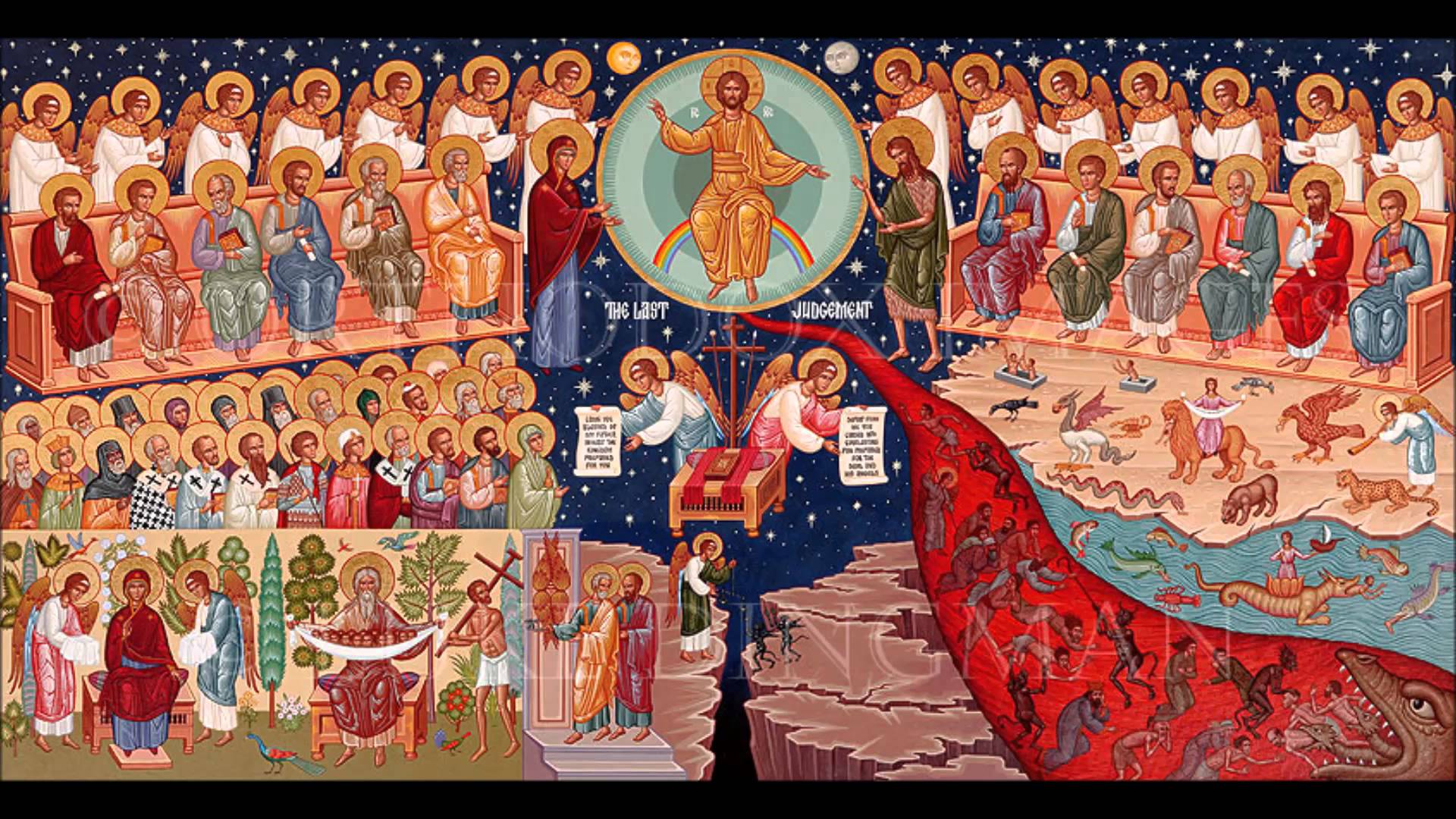
The Marcionite Church affirms the judgment of souls, the destruction of the Eternal Sinner, and the final victory of God the Father over sin, death, and the powers that govern…
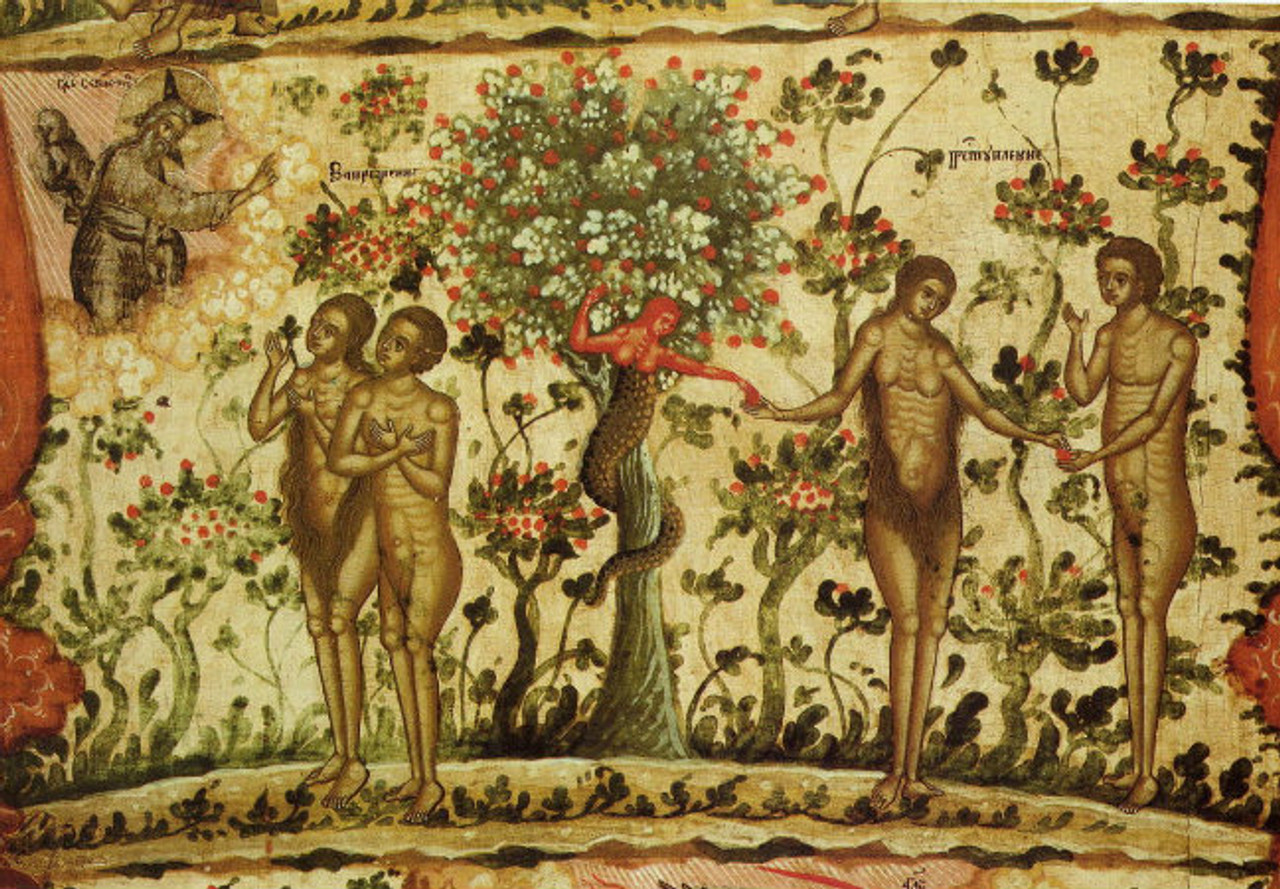
The Marcionite Church does not receive the creation narratives contained in Genesis as Christian Scripture or as an authoritative account of the origins of the universe. They belong to the…
It is a common misunderstanding—both among Christians and their critics—that followers of the Lord Jesus are commanded to be passive, even in the face of evil. Some argue that Lord…
Kenosis is a Greek word meaning “emptying.” In Christian theology, it is used especially in connection with the Apostle Paul’s words in Philippians, where he teaches that Jesus Christ, though…
The opening verses of the Gospel of Luke (Luke 1:1-4) present a fascinating—and often overlooked—acknowledgment of something that feels strikingly close to revisionism. Consider the text: “Forasmuch as many have…
The doctrine of the virgin birth of Jesus is so well accepted and cherished by most Christians that it has become a criterion for membership in many Christian organizations. Those…
Roman Emperor Constantine I convened the Council of Nicaea in 325 C.E., a pivotal moment in Christian history. However, what actually transpired at the Council remains a subject of debate.…
The Marcionite Church is pleased to present the reconstructed Synaxicon, an ecclesiastical collection containing seven epistles received within the Marcionite tradition as the surviving letters of Marcion of Sinope. These…
The Marcionite Church is pleased to present the reconstructed Marcionite Divine Liturgy and the liturgical forms of the Holy Mysteries and Holy Rites, now available in the Litourgicon. The name…