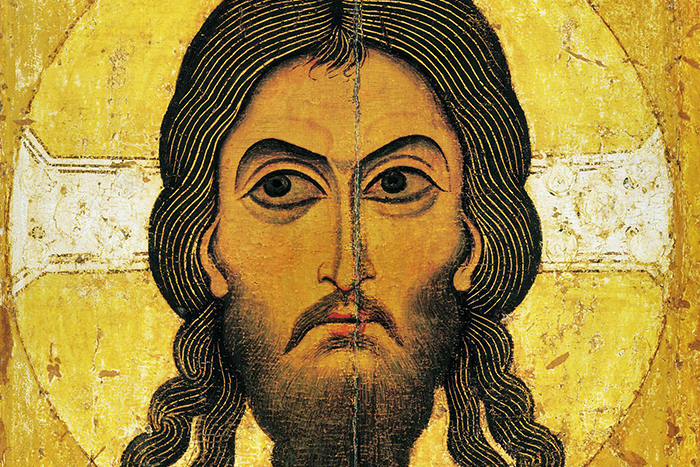
The Marcionite Church affirms the authenticity of the relic known as the Shroud of Turin and identifies it with the ancient Image of Edessa (the Mandylion). We hold that in…
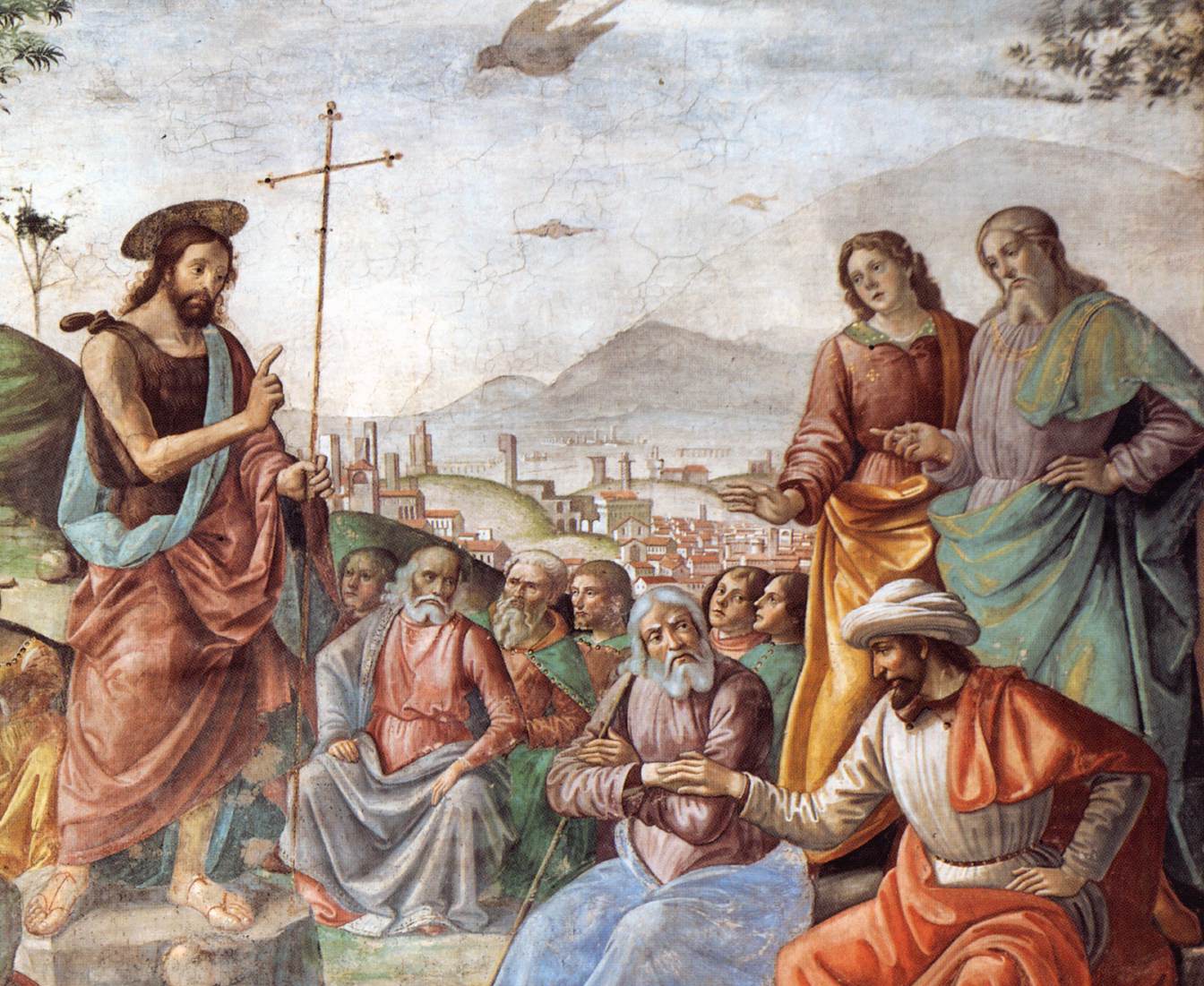
In the Evangelicon, John the Baptist appears as the divinely sent forerunner and prophet, the first true prophet of Christ’s testament, who prepares, bears witness, and then yields the stage…
Tertullian and Epiphanius both report that the Lord’s Prayer they found in Marcion’s Evangelicon—located at Evangelicon 10: 2-4—was the very prayer their own congregations recited. Yet Tertullian, almost in passing,…
Marcion of Sinope, writing his renowned Epistle to the Magnesians in 154 C.E., addressed the Christian community at Magnesia concerning critical theological distinctions and innovations central to Christian practice. Among…
Since the Psalmicon is mystical and esoteric, it does not merely teach but voices the classical and universal truths of Marcionite Christian mysticism. Contemplate Creation’s Source “For thus it was…
In examining the Homily to Diognetus, delivered by Marcion of Sinope, we uncover a profound indifference toward Jewish practices that distinguishes it from contemporary Christian writings. This notable disregard highlights…
In June 2008, the Congregation for Divine Worship quietly issued Prot. 213/08/L, a short letter that commanded every Roman-rite community to eliminate the name “Yahweh” from public worship. Bishops were…
The Marcionite Church proclaims the pure Evangelion and Apostolicon—the Gospel and Epistles of the Apostle Paul—a message of unmerited grace revealed by the True God through Jesus Christ. Any writing…
The Apostle Paul, singled out by the risen Lord, proclaims a gospel that descends from heaven itself and not from the legalistic traditions of the Hebrew Bible. Granted by revelation…
In chapter 2 of his Epistle to the Romans, the Apostle Paul presents a profound theological truth: God is impartial. This impartiality is not a distant or abstract idea but…