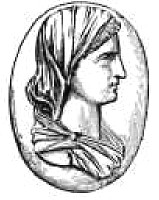
In examining the Homily to Diognetus, delivered by Marcion of Sinope, we uncover a profound indifference toward Jewish practices that distinguishes it from contemporary Christian writings. This notable disregard highlights…
In June 2008, the Congregation for Divine Worship quietly issued Prot. 213/08/L, a short letter that commanded every Roman-rite community to eliminate the name “Yahweh” from public worship. Bishops were…
The Marcionite Church proclaims the pure Evangelion and Apostolicon—the Gospel and Epistles of the Apostle Paul—a message of unmerited grace revealed by the True God through Jesus Christ. Any writing…
The Apostle Paul, singled out by the risen Lord, proclaims a gospel that descends from heaven itself and not from the legalistic traditions of the Hebrew Bible. Granted by revelation…
In chapter 2 of his Epistle to the Romans, the Apostle Paul presents a profound theological truth: God is impartial. This impartiality is not a distant or abstract idea but…
In his Epistle to the Romans, chapter 4, the Apostle Paul offers a profound meditation on the nature of grace and hope—two cornerstones of Christian faith that must be cultivated…
In his First Epistle to the Corinthians, chapter 6, the Apostle Paul delivers a stern yet vital warning that remains as relevant today as it was to the early churches…
In chapter 4 of his first epistle to the Corinthians, the Apostle Paul offers a piercing warning about the quiet spread of corruption and the futility of trying to cloak…
Around the year 142 CE the Church of Rome arrived at a decisive moment in its early development—a theological and political crossroads that would define the shape of Christian history…
From its earliest proclamation, the Marcionite Church has sounded a clear trumpet: salvation history pivots not on Peter or any institutional succession that claims to derive from him, but on…